
Field operations software ROI: what a telecom rollout saved with Sytex
The return of field operations software shows up in three places: the hours the office spends finding out where each job stands, the trips crews make to sites, and the time it takes to review and report what was done. One of the largest telecom operators in Latin America ran its cellular site rollout on Sytex and saved USD 327,000: USD 135,000 in field reporting, USD 120,000 in site visits and USD 72,000 in coordination and review.
The time numbers explain where that money came from. Following the process went from 8.5 hours to 10 minutes. Assigning a task went from an hour to 15 minutes, and the closeout report that took three days now comes out when the last task closes. The rollout itself went from 14 to 11 days, end to end.
Telecom operator, Latin America. Cellular site rollout, 2025. The case does not state the period the savings cover. Read the case.
Where the savings come from
- Field reporting, USD 135,000. Crews fill in the form on the phone, with the photos and readings it asks for, and the report the operator needs is built from it. Nobody types again what came from the field.
- Site visits, USD 120,000. The evidence is checked before the crew leaves, so a missing photo is retaken on the same visit.
- Coordination and review, USD 72,000. Each stage moves forward when its work closes on site, and supervisors see it on the board instead of calling to ask.
Before and after, step by step
| Step | Before | With Sytex |
|---|---|---|
| Following the process | 8.5 hours | 10 minutes |
| Assigning a task | 1 hour | 15 minutes |
| Closeout report | 3 days | Instant |
| Rollout, end to end | 14 days | 11 days |
| Manual tasks in the process | 22 | 11 |
| Automated tasks | 0 | 4 |
| Share of the process digitized | 32% | 56% |
What changed in the process
The operations team modeled the rollout in Sytex's no-code editor: the stages, the tasks each stage opens, who does each one, and the form and evidence each task asks for. Four of those tasks now run on their own. An automation assigns the contractor, sets the date or moves the stage forward when a form is approved. Half of the manual steps went away because the data is captured once, in the field, and travels with the task.
AI reviews each photo and reading against criteria the team writes in plain language on the form. The supervisor reads those comments on the web and approves, and the report the operator asks for is assembled from approved forms.
Tower closeout · SIT-0412 Las Heras
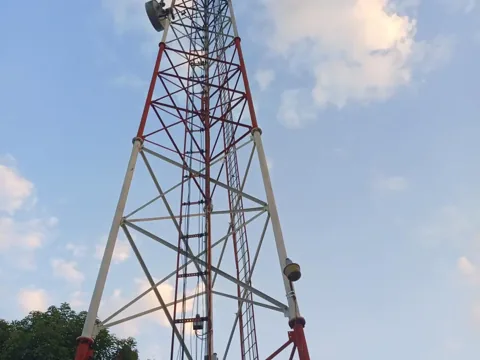
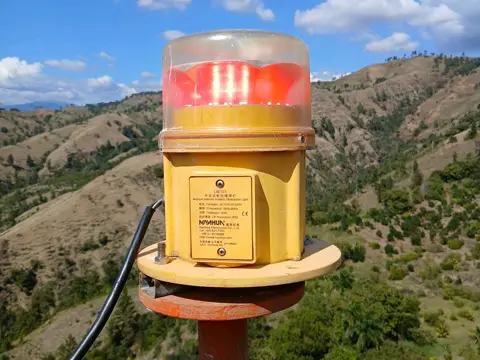

Locations
SIT-0412Las HerasPeople involved
How to estimate it for your operation
The percentages of one case do not carry over to another operation. The method does. Start from three numbers you already know:
- Hours a week your coordinators spend finding out where each site stands and putting the progress report together.
- Site visits a month that repeat because a photo, a reading or a signature was missing, and what each visit costs.
- Days between the end of the field work and the report your client or management accepts.
Those are the three lines where the case saved money. Bring them to the demo and we model your process with them.
Across the platform
Sytex manages 385,000 locations and has logged 18 million field reports in 9 countries. We also measured 2026 across the organizations that run their field work on Sytex every day. Work comes back from the field ready to approve, and the evidence arrives the same hour it was captured.
Aggregated, anonymous data from Sytex organizations active in 2026, from January to November 16: over 1 million forms and 20.4 million photos. Each figure covers at least five organizations and none is identified.
Measured on AI validation of FTTH field evidence, review cost dropped about 80% and reports came out 30% faster (Fibrazo case).
Frequently asked questions
What is the ROI of field operations software?
It comes from fewer hours chasing status, fewer repeated site visits and faster reports. In a telecom rollout run on Sytex it added up to USD 327,000 across field reporting, site visits, and coordination and review.
Which costs does field operations software reduce?
The time spent retyping field reports, the visits that repeat because evidence was missing, the hours supervisors spend coordinating and reviewing, and the days between finishing the work and getting it accepted.
Do we have to change our process to get these results?
Your team models its own process in Sytex, with its stages, forms and approvals, in a no-code editor. Automations are added one task at a time, where they save the most.
How do I estimate the savings for my operation?
Start from the hours spent tracking progress, the repeated visits and what each one costs, and the days until a report is accepted. Those are the three lines where the rollout case saved money.
See how it works in Sytex: Rollout management for network operators · Tower site management software. Related: How a telecom operator automated its network rollout · Sitetracker vs Sytex.
Retorno del software de operaciones de campo: lo que ahorró un despliegue telecom con Sytex
El retorno de un software de operaciones de campo aparece en tres lugares: las horas que la oficina dedica a saber en qué está cada trabajo, los viajes de las cuadrillas a los sitios y el tiempo que lleva revisar e informar lo que se hizo. Uno de los mayores operadores de telecomunicaciones de América Latina llevó su despliegue de sitios celulares en Sytex y ahorró USD 327.000: USD 135.000 en informes de campo, USD 120.000 en visitas a sitio y USD 72.000 en coordinación y revisión.
Los tiempos explican de dónde salió ese dinero. Seguir el proceso pasó de 8,5 horas a 10 minutos. Asignar una tarea pasó de una hora a 15 minutos, y el informe de cierre que tardaba tres días ahora sale cuando se cierra la última tarea. El despliegue completo bajó de 14 a 11 días.
Operador de telecomunicaciones, América Latina. Despliegue de sitios celulares, 2025. El caso no indica qué período cubren los ahorros. Leer el caso.
De dónde sale el ahorro
- Informes de campo, USD 135.000. La cuadrilla completa el formulario en el teléfono, con las fotos y mediciones que pide, y el informe que necesita el operador se arma desde ahí. Nadie vuelve a tipear lo que llegó del campo.
- Visitas a sitio, USD 120.000. La evidencia se revisa antes de que la cuadrilla se vaya, así que la foto que falta se vuelve a sacar en la misma visita.
- Coordinación y revisión, USD 72.000. Cada etapa avanza cuando su trabajo se cierra en el sitio, y la supervisión lo ve en el tablero sin tener que llamar a preguntar.
Antes y después, paso por paso
| Paso | Antes | Con Sytex |
|---|---|---|
| Seguir el proceso | 8,5 horas | 10 minutos |
| Asignar una tarea | 1 hora | 15 minutos |
| Informe de cierre | 3 días | Al instante |
| Despliegue completo | 14 días | 11 días |
| Tareas manuales del proceso | 22 | 11 |
| Tareas automatizadas | 0 | 4 |
| Proceso digitalizado | 32 % | 56 % |
Qué cambió en el proceso
El equipo de operaciones armó el despliegue en el editor sin código de Sytex: las etapas, las tareas que abre cada una, quién hace cada tarea y el formulario y la evidencia que pide. Cuatro de esas tareas ahora corren solas. Una automatización asigna la contratista, pone la fecha o hace avanzar la etapa cuando se aprueba un formulario. La mitad de los pasos manuales desapareció porque el dato se carga una vez, en el campo, y viaja con la tarea.
La IA revisa cada foto y cada medición contra criterios que el equipo escribe en lenguaje común en el formulario. La supervisión lee esos comentarios en la web y aprueba, y el informe que pide el operador se arma con los formularios aprobados.
Cierre de torre · SIT-0412 Las Heras
Ubicaciones
SIT-0412Las HerasPersonas involucradas
Cómo estimarlo para tu operación
Los porcentajes de un caso no se trasladan a otra operación. El método sí. Empieza por tres números que ya conoces:
- Las horas por semana que tus coordinadores dedican a saber en qué está cada sitio y a armar el informe de avance.
- Las visitas por mes que se repiten porque faltó una foto, una medición o una firma, y lo que cuesta cada una.
- Los días entre que termina el trabajo de campo y el informe que acepta tu cliente o la gerencia.
Son las tres líneas donde el caso ahorró. Tráelas a la demo y modelamos tu proceso con ellas.
En toda la plataforma
Sytex gestiona 385.000 ubicaciones y lleva 18 millones de reportes de campo en 9 países. También medimos 2026 en las organizaciones que trabajan en Sytex todos los días. Lo que vuelve del campo llega listo para aprobar, y la evidencia entra la misma hora en que se capturó.
Datos agregados y anónimos de las organizaciones activas en Sytex en 2026, del 1 de enero al 16 de noviembre: más de 1 millón de formularios y 20,4 millones de fotos. Cada cifra reúne al menos cinco organizaciones y ninguna se identifica.
Medido sobre la validación con IA de la evidencia de campo en FTTH, el costo de revisión bajó cerca de 80 % y los informes salieron 30 % más rápido (caso Fibrazo).
Preguntas frecuentes
¿Cuál es el retorno de un software de operaciones de campo?
Sale de menos horas persiguiendo el estado de cada trabajo, menos visitas repetidas e informes más rápidos. En un despliegue telecom en Sytex sumó USD 327.000 entre informes de campo, visitas a sitio y coordinación y revisión.
¿Qué costos baja un software de operaciones de campo?
El tiempo de volver a tipear los informes de campo, las visitas que se repiten porque faltó evidencia, las horas de coordinación y revisión de la supervisión y los días entre que termina el trabajo y lo aceptan.
¿Hay que cambiar el proceso para tener estos resultados?
Tu equipo arma su propio proceso en Sytex, con sus etapas, formularios y aprobaciones, en un editor sin código. Las automatizaciones se suman de a una tarea, donde más ahorran.
¿Cómo estimo el ahorro para mi operación?
Empieza por las horas de seguimiento del avance, las visitas repetidas y lo que cuesta cada una, y los días hasta que aceptan el informe. Son las tres líneas donde ahorró el caso de despliegue.
Mira cómo funciona en Sytex: Gestión de despliegues para operadores · Software de gestión de sitios para torreras. Relacionadas: Cómo un operador automatizó su despliegue de red · Sitetracker vs Sytex.
Retorno do software de operações de campo: o que um rollout de telecom economizou com o Sytex
O retorno de um software de operações de campo aparece em três lugares: as horas que o escritório gasta para saber em que pé está cada trabalho, as idas das equipes aos sites e o tempo para revisar e reportar o que foi feito. Uma das maiores operadoras de telecomunicações da América Latina rodou o rollout de sites celulares no Sytex e economizou USD 327.000: USD 135.000 em relatórios de campo, USD 120.000 em visitas a site e USD 72.000 em coordenação e revisão.
Os tempos explicam de onde veio esse dinheiro. Acompanhar o processo caiu de 8,5 horas para 10 minutos. Atribuir uma tarefa caiu de uma hora para 15 minutos, e o relatório de encerramento que levava três dias agora sai quando a última tarefa fecha. O rollout completo caiu de 14 para 11 dias.
Operadora de telecomunicações, América Latina. Rollout de sites celulares, 2025. O caso não informa o período coberto pela economia. Ler o caso.
De onde vem a economia
- Relatórios de campo, USD 135.000. A equipe preenche o formulário no celular, com as fotos e medições que ele pede, e o relatório de que a operadora precisa sai dali. Ninguém digita de novo o que veio do campo.
- Visitas a site, USD 120.000. A evidência é conferida antes de a equipe ir embora, então a foto que faltou é refeita na mesma visita.
- Coordenação e revisão, USD 72.000. Cada etapa avança quando o trabalho fecha no site, e a supervisão vê isso no painel sem precisar ligar para perguntar.
Antes e depois, passo a passo
| Passo | Antes | Com o Sytex |
|---|---|---|
| Acompanhar o processo | 8,5 horas | 10 minutos |
| Atribuir uma tarefa | 1 hora | 15 minutos |
| Relatório de encerramento | 3 dias | Na hora |
| Rollout completo | 14 dias | 11 dias |
| Tarefas manuais do processo | 22 | 11 |
| Tarefas automatizadas | 0 | 4 |
| Processo digitalizado | 32% | 56% |
O que mudou no processo
A equipe de operações montou o rollout no editor sem código do Sytex: as etapas, as tarefas que cada uma abre, quem faz cada tarefa e o formulário e a evidência que ela pede. Quatro dessas tarefas agora rodam sozinhas. Uma automação atribui a terceirizada, define a data ou avança a etapa quando um formulário é aprovado. Metade dos passos manuais sumiu porque o dado é registrado uma vez, em campo, e segue com a tarefa.
A IA confere cada foto e cada medição contra critérios que a equipe escreve em linguagem simples no formulário. A supervisão lê esses comentários na web e aprova, e o relatório que a operadora pede é montado com os formulários aprovados.
Fechamento de torre · SIT-0412 Las Heras
Localizações
SIT-0412Las HerasPessoas envolvidas
Como estimar para a sua operação
Os percentuais de um caso não passam para outra operação. O método passa. Comece por três números que você já conhece:
- As horas por semana que seus coordenadores gastam para saber em que pé está cada site e montar o relatório de avanço.
- As visitas por mês que se repetem porque faltou uma foto, uma medição ou uma assinatura, e quanto custa cada uma.
- Os dias entre o fim do trabalho de campo e o relatório que o seu cliente ou a gerência aceita.
São as três linhas em que o caso economizou. Traga esses números para a demo e modelamos o seu processo com eles.
Em toda a plataforma
O Sytex gerencia 385.000 localidades e já registrou 18 milhões de relatórios de campo em 9 países. Também medimos 2026 nas organizações que trabalham no Sytex todos os dias. O que volta do campo chega pronto para aprovar, e a evidência entra na mesma hora em que foi capturada.
Dados agregados e anônimos das organizações ativas no Sytex em 2026, de 1º de janeiro a 16 de novembro: mais de 1 milhão de formulários e 20,4 milhões de fotos. Cada número reúne pelo menos cinco organizações e nenhuma é identificada.
Medido na validação por IA da evidência de campo em FTTH, o custo de revisão caiu cerca de 80% e os relatórios saíram 30% mais rápido (caso Fibrazo).
Perguntas frequentes
Qual é o retorno de um software de operações de campo?
Ele vem de menos horas correndo atrás do status, menos visitas repetidas e relatórios mais rápidos. Em um rollout de telecom no Sytex, somou USD 327.000 entre relatórios de campo, visitas a site e coordenação e revisão.
Quais custos um software de operações de campo reduz?
O tempo de redigitar relatórios de campo, as visitas que se repetem porque faltou evidência, as horas de coordenação e revisão da supervisão e os dias entre o fim do trabalho e o aceite.
É preciso mudar o processo para ter esses resultados?
A sua equipe monta o próprio processo no Sytex, com suas etapas, formulários e aprovações, em um editor sem código. As automações entram uma tarefa por vez, onde economizam mais.
Como estimo a economia para a minha operação?
Comece pelas horas de acompanhamento do avanço, pelas visitas repetidas e o custo de cada uma, e pelos dias até o relatório ser aceito. São as três linhas em que o caso de rollout economizou.
Veja como funciona no Sytex: Gestão de rollout para operadoras · Software de gestão de sites para torreiras. Relacionados: Como uma operadora automatizou o rollout da rede · Sitetracker vs Sytex.