

Service desk
The order comes in from your CRM.
Through the API, from the system where the sale was closed or the ticket was opened. Nobody retypes the address.
The evidence is checked while the technician is still at the address, not at the office three days later.
 Today’s queueNetworkMaterials
Agile teams work faster with Sytex







| Code | Material | Qty | Status |
|---|---|---|---|
| ONT-4417 | ONT GPON · SN 4417-90882 | 1 | Installed |
| CON-SCAPC | SC/APC connector | 4 | Installed |
| DRP-080 | Drop cable | 80 m | Installed |
| EMP-MEC | Mechanical splice | 2 | Returned |
Change status
Through the API, from the system where the sale was closed or the ticket was opened. Nobody retypes the address.
The subscriber, the CTO and the port it will use are attached to it. The technician does not call the NOC to ask which one is free.
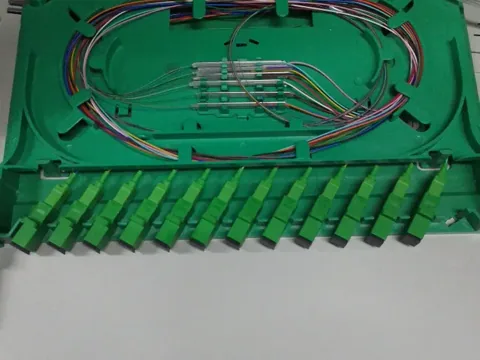
The ONT, the connectors and the drop cable come out of the warehouse against that job, and come back to it if they are not used.
The check-in opens the technician’s session and the platform follows it until check-out. The statuses are the ones your operation configured, not a fixed list. And the form is filled offline in the building, synced on the way out.
You build them: each one has its role, its trigger and what it may do.
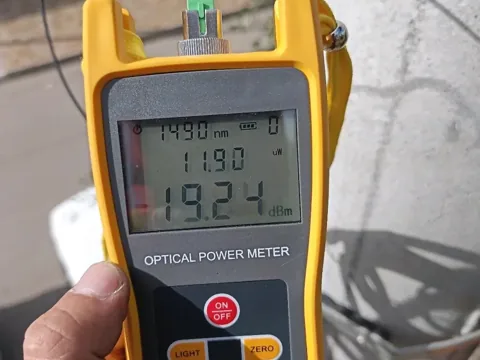
Checks the evidence of each install as it is submitted: reads the ONT serial, the RX power and the photos against the written criteria. If something fails, it returns the task to the technician before they leave the address.
Every install of the day across your teams, with the box and the slot each one takes, and the column it is sitting in right now.
What AI validation of field evidence changes, measured on FTTH installs.
Cost of reviewing the evidence
−80%
Of what it used to cost to check what came back from the field.
Report generation
+30%
Faster, from the moment the task closes.
It carries the install as one work order: the subscriber, the CTO box and its free port, the crew, the materials and the form the job requires, so the install is recorded on the network element it actually happened on.
The criteria are plain-language sentences your own team writes on the form template: for example that the photo has to show the power reading and that the measured power has to be above a threshold. The check runs while the technician is still at the address.
Yes. The form works offline at the address and syncs when the signal comes back, with the photos, the serials and the readings taken on site.
Yes. Orders can come in from the systems you already run through the API and webhooks, and the closed work can be pushed back to them.
One is enough: a subscriber activation, a corrective, a trunk build. We show it running with your stages and your forms.
You talk to Alfred, our AI assistant, and then to the team.