Project controls
The scope is defined with its unit and its quantity.
Project controls loads every task with its unit of measure, its target quantity and the front where it is executed, in bulk from a spreadsheet.
Every task carries its unit, its target quantity and its accumulated progress. The supervisor logs what was executed from the front, and management sees the real status without waiting for someone to consolidate the daily report.
 FrontsDaily reportsProgress
Agile teams work faster with Sytex



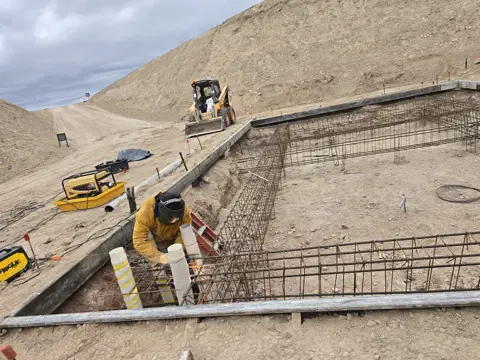
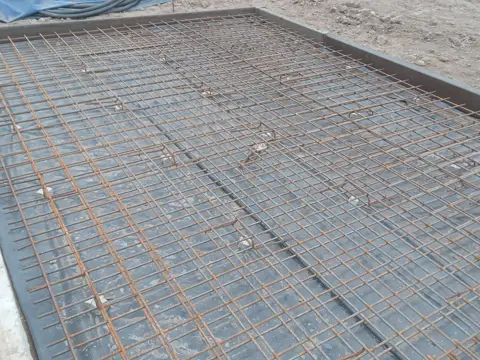

Project controls loads every task with its unit of measure, its target quantity and the front where it is executed, in bulk from a spreadsheet.
Quantity executed, photos and the day's issues, on the phone and even with no signal. The data stays on the task.
Every report adds to its task's accumulated progress, with its photos and comments, so the day is not rebuilt at night.
It reviews it per front and per contractor, approves it or sends it back with a comment, and only then does it count for the report.
Progress per front, per contractor and per discipline, with the photo of the work the client asks for. Nobody builds another reporting layer.
See the real progress per front and per contractor, and the client report comes out of it.
Logs the quantity executed, the photos and the issues of each day from the front.
Report on the form the project defines, each one with its own scope and permissions.
You build them: each one has its role, its trigger and what it may do.
Review the quantity, the photos and the issues of each report, and flag whatever does not match what the photos show.
Reads the reports, the photos and the issues of each day to find what does not add up: a quantity the photos do not show, a missing test, a stopped front. It raises observations and notifies the supervisor.
Unit, target quantity, executed and approved per task, with the accumulated progress. It updates with every report that gets approved.
| Task | Description | Executed | Approved | Unit | Target | Planned end |
|---|---|---|---|---|---|---|
| TA-01 | Tailings dam embankment | 65% | 58% | m³ | 48.000 | 15 Dec |
| TA-02 | Crushing platform · concrete | 40% | 35% | m³ | 950 | 30 Nov |
| TA-03 | Haul road | 100% | 100% | km | 3,0 | Done 18 Oct |
| TA-04 | Tailings line · HDPE | 0% | 0% | m | 6.200 | 20 Jan |
“We were able to reflect exactly how we work in the app: from bulk data loading and daily task tracking to the way we need to see the reports for our client.”
These are platform-wide numbers, across every industry we work in.
Locations managed
385,000
Sites, mines, wells, plants and work fronts.
Field activities a day
18,000
Each one with its form, its evidence and its closure.
Countries
9
Across Latin America, on the same platform.
It measures each task's progress by its quantity: the task carries its unit, its target and its accumulated progress, the supervisor logs what was executed from the front, management approves it, and the client report comes out of what was approved.
On the phone, with the quantity executed, the front, the photos and the issues of the day, even with no signal. The report adds to its task's progress and keeps its evidence.
No. The schedule stays where it is. Sytex records the real progress measured in the field, which is the data the schedule is updated with.
Yes. Each contractor works inside your project with its own scope and permissions, and reports on the form the project defines. Management sees each one's progress and the whole project's.
Bring a project's scope in a spreadsheet and the daily report you use today. We show it running with your fronts and your contractors.
You talk to Alfred, our AI assistant, and then to the team.